iWhere the addresses cluster
Celebrity homes gather in a small number of places, and the reasons are practical before they are glamorous: lot size, privacy, proximity to work and a local culture that does not stare.
- Holmby Hills and Bel Air, Los AngelesThe "Platinum Triangle" with Beverly Hills: gated estates, mature trees, short drives to the studios.
- Malibu, CaliforniaOcean frontage and long setbacks from the Pacific Coast Highway; prized despite wildfire and erosion risk.
- Montecito, CaliforniaOprah Winfrey's estate, known as The Promised Land, sits among oak-lined lanes near Santa Barbara.
- The Hamptons, New YorkShingle-style summer houses within a helicopter hop of Manhattan.
- The Cotswolds, EnglandHoney-coloured stone farmhouses for British and American figures seeking a quieter county life.
iiAn architectural lineage
Today's celebrity house has ancestors. Hearst Castle at San Simeon, designed by Julia Morgan for the newspaper owner William Randolph Hearst, set the template for the entertaining estate: guest houses, pools and a dining hall built for performances as much as meals. Graceland in Memphis, which opened to the public in 1982, showed the opposite instinct, a modest colonial-revival house made legendary by the rooms Elvis Presley personalised.
The contemporary turn favours restraint. The Belgian designer Axel Vervoordt became known to a wide audience through the pale, almost monastic interiors of the Kardashian-West home in Hidden Hills. Tadao Ando's concrete house in Malibu was reported to have been bought by Beyoncé and Jay-Z in 2023 for around $200 million, then described as the most expensive home sale on record in California. In both cases the luxury is in what has been taken away: ornament, clutter and noise.
Architectural Digest's "Open Door" video series has made these homes familiar, but it also shows how much is staged. The tour moves through living rooms and closets; it rarely visits the laundry.
iiiA glossary of features
- Motor court
- A paved forecourt where cars arrive and turn, hidden from the street by gates and planting.
- Primary suite
- Often a wing of its own, with two bathrooms, two dressing rooms and a private terrace.
- Second kitchen
- Also called a catering or scullery kitchen. The show kitchen stays spotless while staff cook out of sight.
- Wellness wing
- Gym, sauna, steam room and cold plunge grouped near a pool, sometimes with a treatment room.
- Screening room
- Tiered seating and acoustic panelling; a working room for people who review their own films.
- Back of house
- Staff entrance, deliveries, laundry, storage and offices, routed so service never crosses the guest path.
- Safe room
- A reinforced interior space with independent communications, rarely shown and never located on plans.
- Staff quarters
- Apartments or a guest house for a live-in house manager, nanny or security team.
ivThe rooms you never see
The most revealing spaces in a large house are the dull ones. Mudrooms with labelled hooks for every child. A wrapping room for gifts. A cold store for flowers. A security office with a wall of screens. These rooms tell you that the home is run, not merely lived in, and that someone arrives every morning to run it.
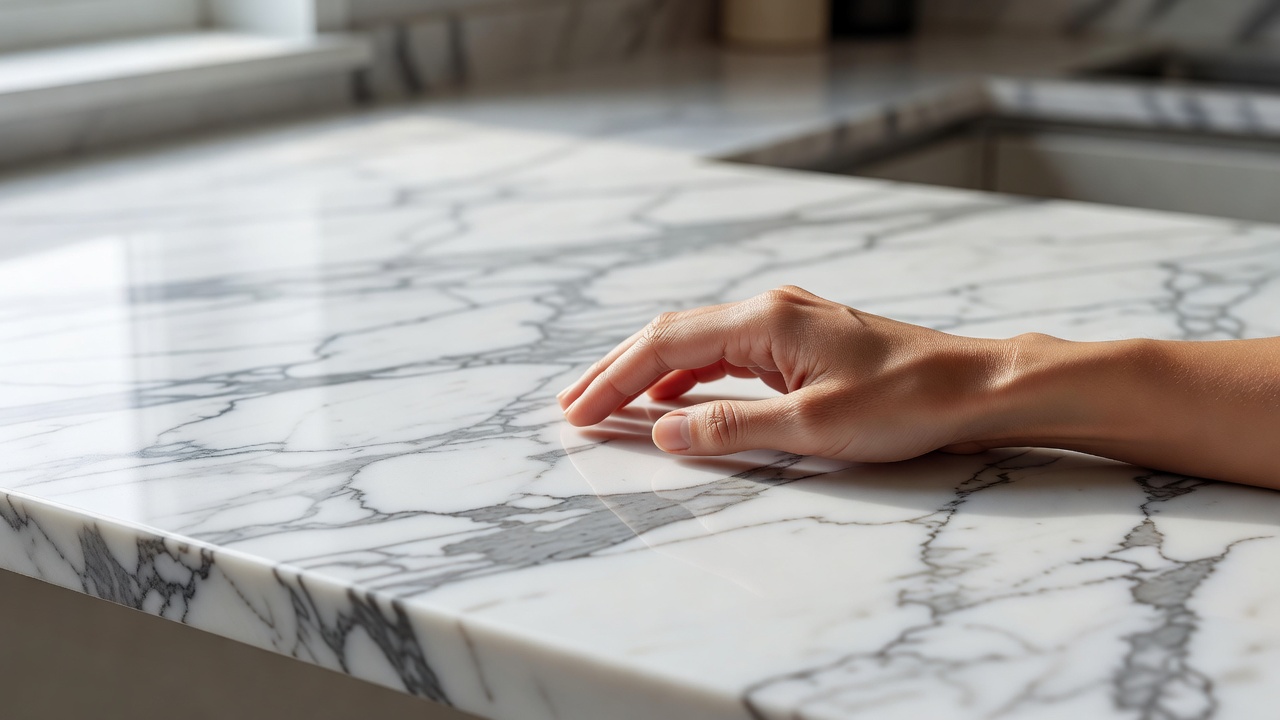
They also explain why the famous interiors look so calm. Calm is a service. Behind every bare marble counter is a pantry that holds everything that would otherwise sit on it.
vWhat translates to ordinary homes
Strip away the scale and three ideas remain useful. Separate the place where you work from the place where you rest, even if it is only a screen across a room. Give clutter a door to live behind. Plan for light: the most celebrated houses are designed around where the sun falls at breakfast and at dusk. Those choices cost attention more than money.
Purchase prices and ownership details are drawn from published property reporting and may not reflect subsequent sales.